
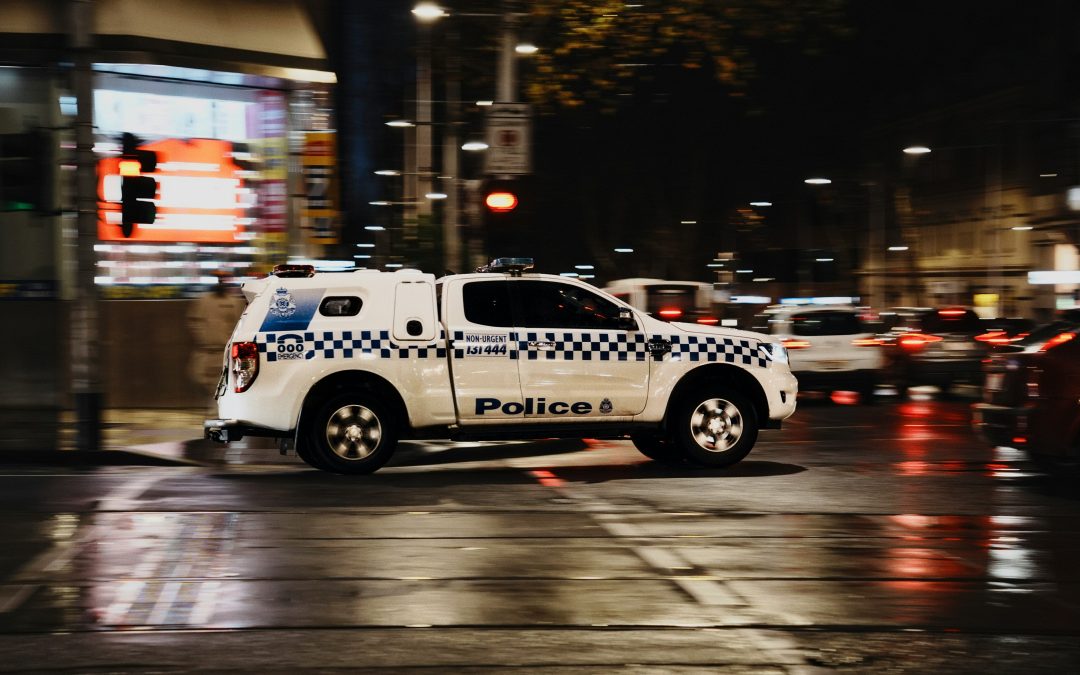
Police have contacted you, asked you to attend the station, or you’ve just been arrested, and now you’re wondering what you actually have to say. Police interviews can feel informal, almost like a conversation, but what you say can become evidence in a criminal case.
Do You Have to Answer Police Questions in Queensland?
In Queensland, you generally have the right to remain silent when police question you about an alleged offence. You’re usually required to give your name and address, and in some circumstances your date of birth, but you don’t have to answer questions about what happened or who was involved without getting legal advice first.
Need help?
If you or someone you know is facing a criminal charge, has been contacted by police, or has an upcoming court date, it is important to get clear legal advice early. Contact Michael McMillan Law for practical criminal defence advice, or call 0409 273 430.
Key Takeaways
- The right to silence applies no matter how you come into contact with police and you don’t need any special wording to use it.
- You’re usually required to give your name and address, and in some circumstances your date of birth, when police lawfully ask for it.
- Refusing to answer offence-related questions isn’t the same as being guilty, and in most circumstances your silence cannot be treated as evidence that you committed an offence.
- Anything you do say to police can be used as evidence, even if it feels like you’re just explaining your side of the story.
- Even a voluntary interview, one you’re not legally required to attend, still carries real risk if you go in without advice.
- Get legal advice before you answer any question about the alleged offence itself.
Do you have to answer police questions in Queensland?
No, not about the alleged offence itself. Queensland law protects your right to remain silent when police are asking about a suspected offence, whether you’ve been stopped in the street, asked to attend a station, or arrested. Police can still ask questions, but asking isn’t the same as you being required to answer.
There’s an important difference between basic identifying details and questions about the alleged offence. You’re usually required to give your name and address, but questions about what happened, who was involved, or what you know are a different matter entirely. You can decline to answer those without it meaning anything about your guilt.
Stay polite and calm when you exercise this right. You don’t need to argue or explain yourself, and you should get legal advice before answering anything about the allegation.
What is the right to silence in QLD?
The right to silence means you don’t usually have to answer police questions about an alleged offence. It has deep roots in the common law, and in Queensland it’s also confirmed under section 397 of the Police Powers and Responsibilities Act 2000, which preserves your right to refuse to answer questions unless a specific law requires you to answer. This is closely connected with the police caution in Queensland, which is the formal warning police must give before questioning you about an offence.
This right applies whatever the situation: stopped in public, attending a station voluntarily, or under arrest. Police can keep asking questions, and you can keep choosing not to answer the ones about the offence. Anything you do say, though, may later be used as evidence, so exercise the right clearly and respectfully, rather than assuming silence alone protects you if you also start talking.
What questions do you have to answer?
Police can usually require some basic identifying information, even if you don’t want to answer anything else. This typically includes your name and address, and in some circumstances your date of birth. If you’re involved in a traffic matter or an accident, you may also need to provide your driver’s licence details. Some other laws create their own specific obligations to answer particular questions, depending on the situation.
Refusing to provide information you’re legally required to give can create a separate problem on top of whatever you were originally being asked about. Offence-related questions, what happened, who else was involved, what you know, are a different category, and you’re generally not required to answer those.
| Type of Question | Do You Usually Have to Answer? |
| Name and address | Usually yes |
| Date of birth | May be required depending on the situation |
| Questions about what happened | Usually no, get legal advice first |
| Questions about who was involved | Usually no, get legal advice first |
| Traffic or accident-related questions | May be required in some circumstances |
| Questions under special laws | Depends on the law and situation |
Can police make you go to the station for an interview?
If you’ve been asked to attend a police interview in QLD, that request doesn’t automatically mean you have to go. A voluntary interview is one where police ask you to attend and answer questions without arresting you, and you can usually choose whether to attend at all. If you’re not under arrest, you can ask whether you’re free to leave, and you’re generally not obliged to attend an interview for a matter you haven’t been arrested over.
If you are under arrest, the situation is different, and you’ll usually be taken to a station regardless. Either way, even if you attend voluntarily, you still generally have the right to silence once you’re there. Get legal advice before you attend a voluntary interview, not after you’ve already answered questions.
What happens during a police interview?
Police may explain the allegation
Police will often outline what they’re investigating, at least in general terms, and may ask for your version of events.
Police may record the interview
A recorded interview is a formal interview where your answers are captured on audio or video. Police interviews about alleged offences are commonly recorded, and that recording may later be used as evidence in court, including as a record of the answers given during the interview.
Police may give a caution
Before questioning you about an offence, police are required to give you a caution, a formal warning that you don’t have to say anything and that anything you do say may be used as evidence. If they don’t caution you properly, it can affect whether the interview is later allowed to be used in court.
Police may ask detailed questions
Questions can cover timelines, the people involved, messages, locations, substances, injuries, property, or what you intended. They can go into far more detail than the initial outline of the allegation suggested.
Police may charge you after the interview
Depending on what happens, an interview can lead to no further action, further investigation, a Notice to Appear, arrest, bail, or a charge going to court on a QP9, the document police use to start proceedings.
Should you speak to police without a lawyer?
Usually, it’s risky to answer questions about an alleged offence without advice first. People often think they can talk their way out of trouble, but even an innocent, honest answer can come across as unclear, incomplete, or worse than it actually is.
Stress, fear, alcohol, drugs, a poor memory or plain emotional pressure can all make what you say unreliable, even when you’re telling the truth. A criminal lawyer can advise whether to participate in an interview, stay silent, give a written statement instead, or deal with the matter another way entirely. Sometimes silence really is the safest option, but that depends on the facts of your situation, not a blanket rule.
In my experience, a police interview can shape the direction of a criminal matter before it ever reaches court, and getting advice early can make a significant difference to how the matter unfolds.
Asked to attend a police interview?
If police have asked you to attend an interview, I recommend getting legal advice before you respond. Contact me on (07) 5619 6860 or 0409 273 430 before deciding whether to attend or answer questions.
Can what you say to police be used against you?
Yes. Anything you say to police can be used as evidence, including admissions, which can be powerful evidence for the prosecution. Even partial or incomplete answers can support the police case, and if your account changes later, that inconsistency can be used against you too. A recorded interview can be played in court exactly as it happened, which is part of why legal advice before you speak matters so much.
What if police say they only want your side of the story?
Police may genuinely want to hear your account, but they’re also investigating a suspected offence, and both things can be true at once. Giving your side without advice can still create admissions, even if that’s not your intention.
You don’t know what evidence police already have, and their summary of events may not include the full context of your situation. A lawyer can advise whether a statement should be made at all and, if so, how to do it safely. Don’t assume that answering questions will bring the matter to an end. Sometimes it’s just the beginning.
What if you’re innocent? Should you still stay silent?
Innocent people can still make damaging statements. An unclear memory, filled in with a guess, can create an inconsistency that looks worse than the truth. Police may also have information you haven’t seen, and without knowing what that is, it’s hard to know how your answer will be read.
A lawyer can assess whether speaking helps or harms your particular situation. Getting advice before a police interview doesn’t mean you have something to hide. It means you’re making an informed decision rather than an instinctive one.
Not sure whether to speak or stay silent?
Whether silence is the right call depends on the details of your situation, not a general rule. Contact me on (07) 5619 6860 or 0409 273 430 before you decide.
Common mistakes to avoid before or during a police interview
- Attending a police interview without getting advice first
- Assuming a voluntary interview is harmless because you weren’t arrested
- Answering offence-related questions because you feel pressured to
- Trying to explain everything while you’re stressed or upset
- Guessing or filling in memory gaps rather than saying you’re not sure
- Lying to police
- Contacting complainants or witnesses about the matter
- Deleting messages or other evidence
- Posting about the matter online
- Assuming silence makes you look guilty
- Ignoring police contact altogether without getting advice
What should you do if police want to interview you?
- Stay calm and polite.
- Ask whether you’re under arrest.
- Ask what the interview is about.
- Don’t answer offence-related questions before getting advice.
- Contact a criminal defence lawyer.
- Don’t discuss the allegation with witnesses, complainants or co-accused.
- Keep any documents, messages or evidence safe.
- Follow legal advice about whether to attend, stay silent, or provide information another way.
How can a criminal lawyer help before a police interview?
I can advise on your rights, speak with police on your behalf, and find out what the allegation actually involves before you say anything. From there, I can advise whether to attend an interview at all, whether to answer questions, and whether to attend the station with you if that’s the right approach. My goal is making sure you understand your rights and can make an informed decision. That often means avoiding admissions you didn’t intend to make and protecting your position in relation to bail, charges and court strategy from the earliest stage, including what to do if you’re charged after the interview.
This kind of early advice matters whatever the allegation involves, from drug possession through to matters that could end in a good behaviour bond or no conviction being recorded down the track. If you’re charged after an interview, you may also need advice about bail conditions and your first court appearance. You can read more about my background on the About Michael page, and I also answer common questions about the court process in my criminal law FAQs. I appear in courts across the Gold Coast, Brisbane and Cairns.
Conclusion
A police interview can influence the direction of a criminal matter before charges are even laid. You generally have the right to silence for offence-related questions, but you may still need to give basic identifying details or answer specific questions required by law. If police have contacted you or asked you to attend an interview, contact me before answering questions or attending the station. Early advice can help protect your position before decisions are made that may affect the outcome of your matter. Call me on (07) 5619 6860 or 0409 273 430.
Frequently Asked Questions
Do I have to answer police questions in Queensland?
No, not about the alleged offence. You’re usually required to give your name and address, and sometimes your date of birth, but you generally don’t have to answer questions about what happened.
What is the right to silence in QLD?
It’s your right not to answer police questions about a suspected offence, a right with common law roots that’s also confirmed in the Police Powers and Responsibilities Act 2000. It applies whether you’re stopped in public, at a station, or under arrest.
Can police make me go to the station for an interview?
Not unless you’re under arrest. If police ask you to attend voluntarily, you can ask whether you’re free to leave, and you’re generally not required to go.
Should I speak to police without a lawyer?
It’s usually risky. Even honest, well-meaning answers can be unclear or used in ways you didn’t intend, so get legal advice before you answer questions about the allegation.
Can what I say to police be used against me?
Yes. Anything you say, including partial answers, can be used as evidence, and inconsistencies in your account can be used against you later.
What questions do I have to answer for police in Queensland?
Police can usually require basic identifying information, such as your name and address, and in some situations other details like your date of birth or driver’s licence. Questions about the alleged offence itself are usually ones you can decline to answer.
Can I refuse a police interview?
If you haven’t been arrested, generally yes. You can decline to attend, and if you do attend, you can still choose not to answer offence-related questions.
Does staying silent make me look guilty?
No. In most circumstances, courts cannot treat your silence as evidence that you committed an offence, and many innocent people are advised to stay silent simply because it’s the safer option while the facts are still unclear.
What happens after a police interview?
Depending on the circumstances, police may take no further action, continue investigating, issue a Notice to Appear, impose bail conditions, or charge you.
Do I need a lawyer for a voluntary police interview?
You’re not legally required to have one, but it’s strongly recommended. A lawyer can advise whether to attend at all and how to handle the interview if you do.
This article is general information only. It is not legal advice and does not account for your specific circumstances. Whether a conviction is recorded depends on the offence, the court and your individual matter, so get advice before relying on anything here.